 0216 595 41 44
 iletisim@palaceyapi.com.tr
 Turkish
 English
 German
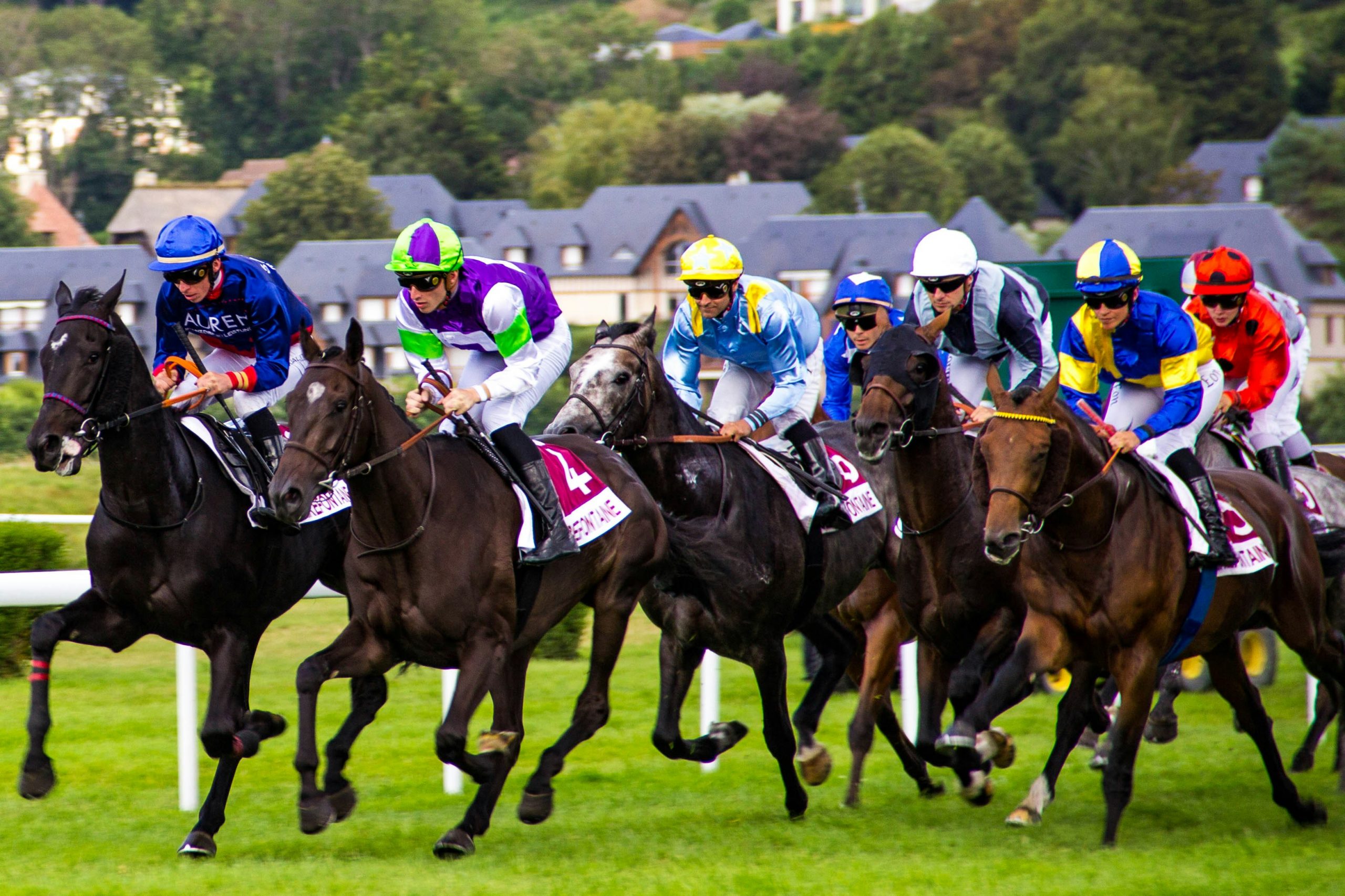
The Unseen Side of British Horse Racing: What Happens When It’s Not On
British horse racing is often considered one of the most prestigious sports in the world, characterized by its rich history, high stakes, and thrilling competition. However, what happens in the bustling atmosphere of British horse racing when the races are not on? This article dives deep into the nuances of this situation, from the alternative betting landscapes to the impact on fans and the broader racing community. For those looking to explore betting opportunities outside the traditional arena, consider turning to British horse racing not on GamStop non GamStop horse racing sites.
At its core, horse racing is not just about the races themselves; it’s an entire ecosystem that thrives on events, betting, and the social aspects surrounding them. When there are no scheduled races, the vibrant community built around this sport finds ways to adapt and engage. This article will explore various elements that come into play when British horse racing is not in session, including alternative events, training sessions, and the ever-evolving betting platforms available to enthusiasts.
The Racing Calendar: A Brief Overview
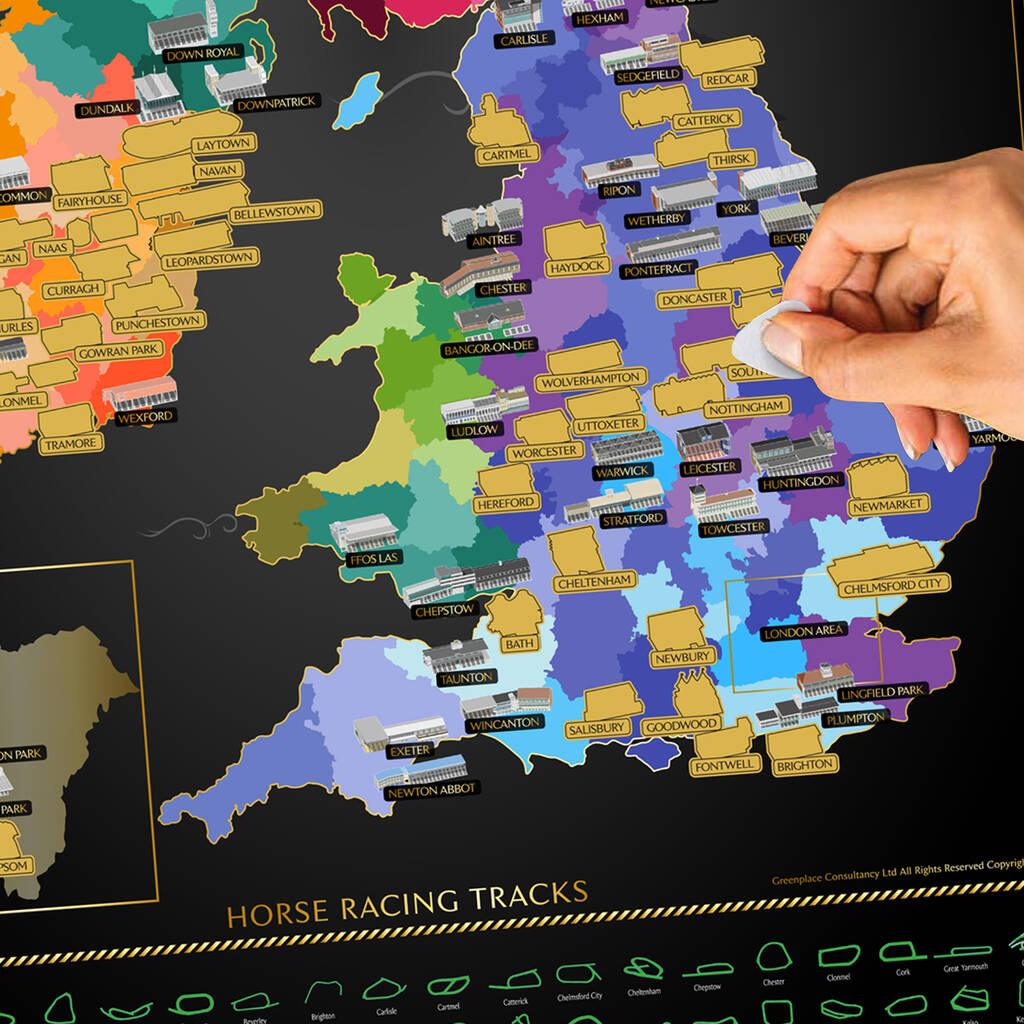
The British horse racing calendar is a meticulously organized series of races taking place throughout the year. With major events like the Grand National, Royal Ascot, and the Derby drawing international attention, the racing season is packed with excitement. However, when these key events are not occurring, the racing community shifts its focus to less-publicized meetings and local events that can offer similar thrills.
One of the unique aspects of British horse racing is its diversity; while high-profile races capture the spotlight, smaller events consistently take place across various venues. These events, often held at local tracks, allow lesser-known horses and jockeys to make their mark, providing an accessible alternative for both bettors and fans during the off-season.
Alternative Betting Opportunities
When British horse racing is not on, many betting enthusiasts turn to alternative platforms. The rise of online betting, especially through non GamStop horse racing sites, has provided fans with year-round engagement opportunities. These platforms often feature international races, allowing fans to place wagers on events occurring in other parts of the world, ensuring that the thrill of betting continues even when local races are on hold.
Additionally, these non-GamStop sites offer appealing incentives such as bonuses and promotions tailored for players seeking to try their luck beyond conventional betting avenues. For instance, punters can explore markets related to horse racing from countries like Australia, the United States, or even emerging racing hubs in Asia and the Middle East.
The Role of Training and Preparation
For trainers and jockeys, the periods outside of major racing events are crucial for ensuring that horses are in peak condition for when the races resume. Training sessions can be equally thrilling; they provide an opportunity for jockeys to refine their techniques while allowing trainers to assess the performance of their horses in a more controlled environment.
Training not only focuses on physical stamina and speed but also on developing the bond between horse and rider. This relationship is vital for success, as trust and understanding can significantly influence race outcomes. During these quiet periods, trainers also look for opportunities to scout new talent, fostering the next generation of racing champions.

Community Engagement and Promotion
Beyond the racetracks, the community of British horse racing remains active through various promotional activities and events. Festivals, charity races, and educational efforts about horse care and racing intricacies help to nurture a passionate community. These events support local businesses while creating social opportunities for racing fans.
Moreover, social media has allowed the racing community to stay connected even when traditional events are absent. Through platforms like Twitter, Instagram, and Facebook, racing enthusiasts share insights, opinions, and excitement, maintaining enthusiasm for the sport. These interactions play a significant role in keeping the spirit of racing alive during off-seasons.
The Importance of Fan Engagement
Fan engagement is invaluable in British horse racing, particularly during the periods when races are not on. The longing for competition drives fans to seek other forms of entertainment and engagement within the sport. Many enthusiasts begin to study racing statistics, historical data, and learn about horse breeding to keep their interest alive.
Forums and community gatherings also serve as excellent platforms for sharing ideas and fostering discussions about past performances and future races. This helps build anticipation and excitement for the return of the racing season, strengthening the bonds within the racing community.
Racing’s Future and Beyond
Looking ahead, the future of British horse racing may include innovations that enhance fan engagement and accessibility, especially during downt
imes. With advancements in technology, virtual racing and augmented experiences may soon offer fans unique ways to experience the thrill of racing, regardless of whether races are on or not.
The importance of adaptability during the off-season cannot be overstated. Racing authorities and organizations should focus on promoting lesser-known events and ensuring that alternative betting platforms are secure and enjoyable for fans. This could potentially rejuvenate interest in the sport and keep the community engaged well into the off-seasons.
Conclusion
While British horse racing captivates audiences during its prime events, the unseen side of the sport thrives even when the races are not happening. From alternative betting opportunities and dedicated training schedules to community engagement and technological advancements, the passion that surrounds horse racing remains undiminished. As fans eagerly await the return of their favorite races, the culture and framework supporting British horse racing continue to evolve and adapt, ensuring its place as a beloved sport for generations to come.