 0216 595 41 44
 iletisim@palaceyapi.com.tr
 Turkish
 English
 German
Live roulette direct stream has become a steady fixture for punters who want the feel of a real table without leaving the couch. The setup is straightforward: a camera trained on a physical wheel, a dealer calling the action, and a feed that lands on your phone or laptop with minimal fuss. For an Australian audience used to checking odds over a flat white or a backyard arvo, the appeal is less about flash and more about pace, clarity, and a session that actually feels like roulette rather than a slot with a table skin.
What the Stream Actually Delivers
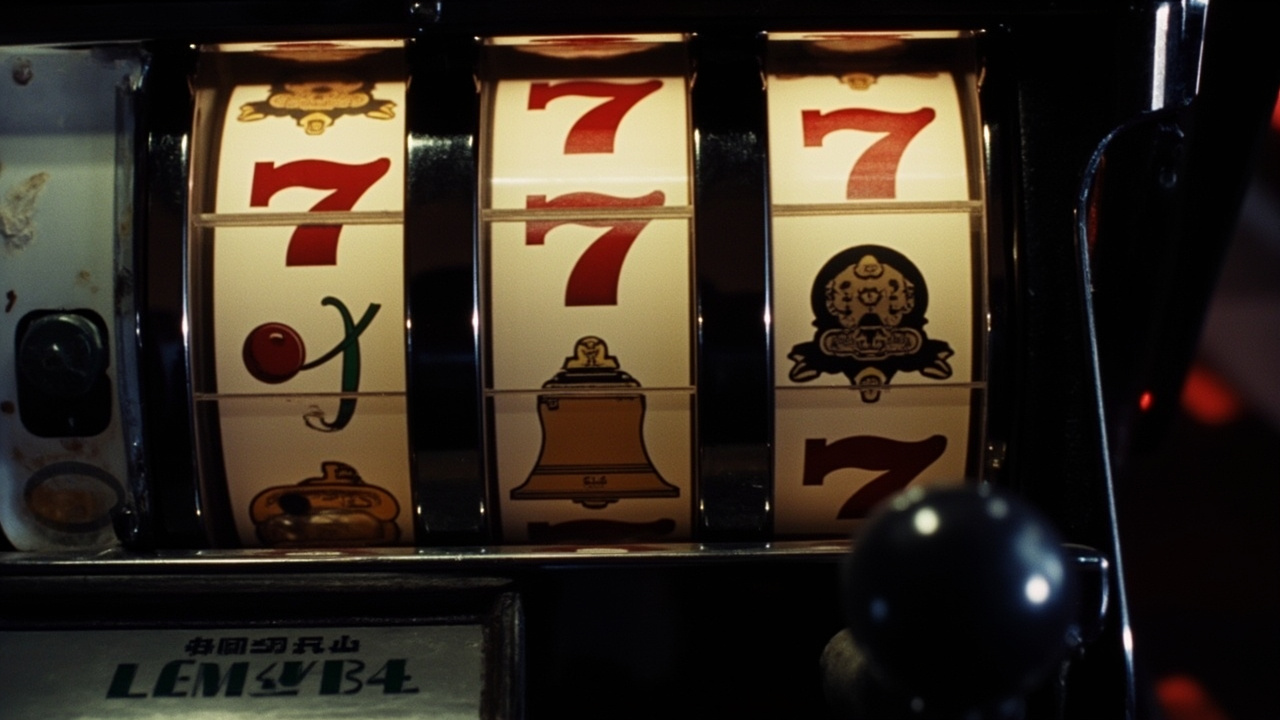
The core product is simple on paper but the execution matters more than the marketing. A well-run direct stream keeps the camera focused on the wheel, shows the ball drop cleanly, and displays the result without a lag that makes you second-guess the outcome. The table layout usually mirrors a standard European or French wheel, which means a single zero and the usual outside bets are where most regulars spend their time. Some streams add a side camera for the dealer’s hands, which is handy when you want to see the ball land before the digital marker updates.
From a treasury and operations perspective, the thing I watch is latency and payout consistency rather than the number of camera angles. If the stream hiccups when the ball is in motion, take a look the experience falls apart fast, and no amount of polished graphics fixes that. I’ve seen operator setups where the video feed and the bet resolution run on different clocks, which creates a tiny but real disconnect that regulars notice within a session. That’s the kind of detail that separates a decent table from one you keep returning to.
Payments and session limits should be easy to read before you sit down. A clean table shows minimum and maximum stakes, the currency being used, and whether the bonus terms apply to live tables at all. For Australians, the practical question is usually whether the account handles AUD cleanly or whether you’re dealing with conversion friction on every deposit and withdrawal. A direct stream that lets you check those numbers in a few seconds is worth more than a fancy lobby with ten extra buttons you don’t need.
Registration, Verification, First Deposit, Bonus Activation, First Play
Getting into a live table starts with the usual signup flow, and that’s where the operator’s discipline shows. A sensible registration form asks for the basics, confirms you’re 18 or older, and sets up an account that can actually be verified without dragging the process out over days. I’ve advised on investor operations and governance long enough to know that a tidy onboarding process usually signals a cleaner back end, because the same data standards that help with compliance also make the player experience less frustrating.
Verification is the part most punters want to glide past, but it’s also the part that protects the account later. A straightforward identity check, a quick proof-of-address step where needed, and a clear status indicator beat a vague “we’ll let you know” any day. If an operator can confirm eligibility and get you to a first deposit without making you re-enter the same details three times, that’s a decent sign. It also matters for cross-border setups, because the same verification logic tends to travel with the account when an operator expands into new markets.
The first deposit is where bonus mechanics come into play, and this is where I’m careful. A bonus tied to live roulette direct stream should spell out wagering, game weighting, and whether live tables count fully or only partially. I’ve seen offers that look generous until you realise the live table contribution is thin and the clock on the bonus starts ticking the moment you fund the account. A transparent offer tells you the contribution rate, the max bet limit while the bonus is active, and what happens if you try to withdraw before the terms are met.
First play should feel controlled rather than rushed. A good first session lets you place a few outside bets, watch the wheel a couple of times, and get a feel for the dealer’s rhythm before you put any real size on the table. If the stream is stable and the bet resolution is clear, you can settle into a pace that suits you instead of chasing the feed. That’s the difference between a table you try once and one you come back to on a quiet weeknight.
“The operators that hold up in live casino are the ones that treat latency and bet resolution as core infrastructure, not as a cosmetics problem,” said Jack McKenzie, Senior Market Analyst, Wattle Gaming Partners.”When the video and the ledger are aligned, players notice within a session, and that’s what keeps them on the table.”
Hobart Test: Table Feel, Mobile Play, Support and Loyalty
Hobart punter habits are a useful stress test because the audience there tends to value clarity over noise. A live table that works for a Hobart player on a phone during an arvo usually works anywhere, because the same requirements show up: readable bet markers, a wheel that doesn’t drift off-centre on the screen, and a dealer who keeps the pace steady without rushing the call. If you can sit in a café near Salamanca with a flat white and follow the action without squinting at the screen, the stream is doing its job.
Mobile play is where a lot of operators reveal whether they’ve actually built for the format or just shrunk a desktop lobby onto a phone. A decent mobile stream keeps the betting panel accessible without covering the wheel, lets you adjust stake sizes with a tap or two, and doesn’t make you hunt for the cash-out or balance check. I’ve advised on funds and banking flows enough to know that a mobile session should also make it obvious what currency you’re playing in and what the current balance is before you place the next bet. That sounds basic, but it’s the kind of detail that prevents a messy session when you’re switching between tables.
Support and loyalty are the parts that show up after the first hour, not during the first spin. A live table operator worth sticking with has a support path that’s easy to find and a loyalty structure that doesn’t feel like a separate puzzle. If points or tier benefits apply to live play, the terms should be visible without digging through three menus. If you need help during a session, a clear chat or phone route beats a buried contact form, especially when the issue is time-sensitive and you’re mid-table.
“The loyalty piece in live casino only works when it tracks the same behaviour the player actually cares about, not a separate points economy that ignores table stakes,” said Daniel Fraser, Strategy Director, Red Centre Analytics.”If the operator can’t explain the tier benefits in a sentence, the programme is probably more cosmetic than useful.”
For a quick comparison, the table below lays out the kind of details worth checking before your first session.
| Detail | What to look for |
|---|---|
| Stream stability | Wheel visible, result marker updates cleanly, no lag during ball drop |
| Table type | European or French wheel, single zero, clear outside and inside bets |
| Currency | AUD handling or clear conversion terms before you deposit |
| Bonus contribution | Live table weighting, wagering, max bet limits, time window |
| Verification | Clear status, reasonable document steps, no repeated data entry |
| Mobile layout | Betting panel accessible, balance visible, stake controls easy |
| Support | Easy-to-find help route, live session issues handled without delay |
| Loyalty | Terms visible, benefits tied to live play where claimed |
A short checklist before you spin helps keep the first session tidy:
- Confirm the wheel type and stake range on the table you’re joining
- Check the bonus terms if you’re activating one, including live table contribution
- Make sure the account currency and balance are obvious before betting
- Test the stream on the device you’ll actually use, not just on a desktop
- Keep support details handy in case the feed or bet resolution looks off
Player-Fit Verdict
Live roulette direct stream suits Australian adults who want a real table feel, a clear result, and a session they can control without a lot of lobby noise. It’s a better fit for punters who care about pace, stake control, and a stream that stays readable on a phone, and a poorer fit for anyone chasing a bonus without reading the live table contribution first. If the operator’s registration and verification are tidy, the currency handling is clear, and the stream holds up when the ball is in motion, it’s worth a proper first session. If the feed is shaky or the bonus terms are vague, there are other ways to spend an arvo and no point forcing it.
A decent live table is the one you can sit down at, understand in a minute, and play without second-guessing the feed. For a Hobart session or a quiet weeknight elsewhere, that’s usually enough to make it worth a proper look, especially if the operator’s back end is as tidy as the front end claims.uptownpokies review Immersive Roulette Brings Live Casino Energy