 0216 595 41 44
 iletisim@palaceyapi.com.tr
 Turkish
 English
 German
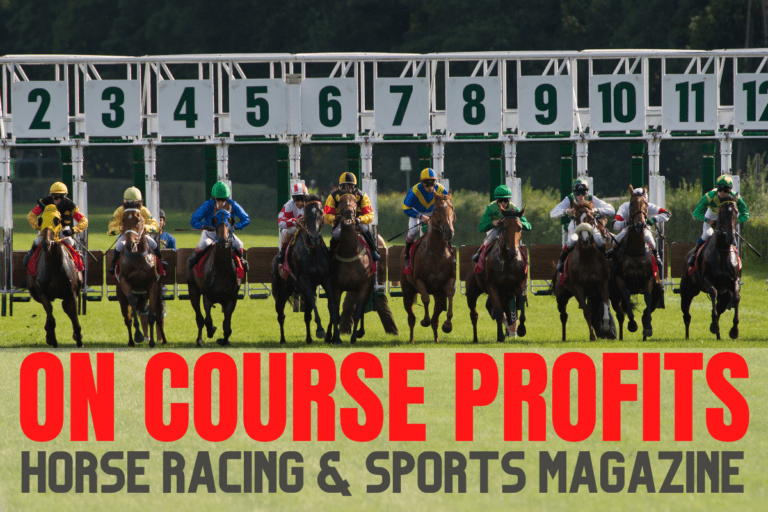
The world of UK horse racing is often glamorized, focusing on the thrills of the races and the majestic horses that participate. However, an often overlooked aspect of this vibrant culture is the horses that are not competing. These horses, often deemed as unraced, play a significant role in the ecosystem of horse racing and contribute to the culture in numerous ways. Understanding their journey sheds light on the complexities of this beloved sport. The influence of UK Horse Racing Not on GamStop steamplates.co.uk and various stakeholders in horse racing cannot be underestimated, especially in this context.
Understanding the Unraced Horses
Horses that do not participate in races can be due to various reasons: health issues, the choice of owners, or a lack of adequate training. Their presence is felt within the stables, amongst trainers, and even in the eyes of enthusiasts who are passionate about the welfare of these animals.
One of the primary reasons a horse may not race is injury. Injured horses require substantial rehabilitation and, unfortunately, some may never return to racing condition. For these individuals, their journey does not end on the racetrack but instead shifts towards recovery, retraining, or finding new life as companion animals or show horses.
The Role of Trainers and Owners
Trainers and owners play a crucial role in determining which horses enter the racing circuit. Factors such as temperament, physical capability, and market potential come into play. An unraced horse may have the pedigree and bloodlines to compete but lacks the competitive spirit or has not yet demonstrated the necessary skills in practice runs.
Moreover, some owners opt not to race their horses due to changing priorities, financial constraints, or a growing focus on equine welfare. It has led to more discussions within the community about the responsibilities faced by owners and trainers in ensuring their horses are treated ethically and humanely.
The Economic Impact
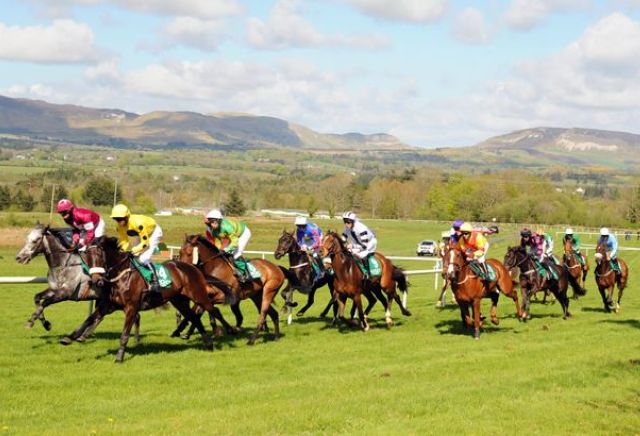
The economic aspect of horse racing in the UK is massive, generating billions in revenue annually. Unraced horses still form part of this economy through breeding, training fees, and associated services. Owners may choose to invest in unraced horses with the hope that these animals will eventually enter the market when conditions are right. This can result in significant financial returns if the horse eventually finds success.
Furthermore, the care and training of these horses provide jobs within the industry, contributing to the broader economic landscape. From farriers and veterinarians to stable hands and trainers, countless individuals depend on the horse racing sector, even when horses are not actively racing.
Emotional Connections and Stories
Unraced horses often form unique bonds with their handlers, owners, and trainers. Emotional stories emerge from these connections. For example, a horse that may not race could still accomplish milestones in training, acting as a source of motivation and hope for those involved in its daily care. The dedication to nurturing these animals often leads to strong relationships built on trust and teamwork.
Every horse has a story. Whether it’s a young colt with a promising lineage who sustains an injury during training or a mare that has opted out of racing to focus on motherhood, unfurling these narratives enriches the fabric of the horse racing community. By acknowledging these stories, the culture grows to appreciate the horse, both as an athlete and as an individual.
Alternative Paths for Unraced Horses
For those horses unable to compete in races, alternate avenues exist. Many find new careers in disciplines such as dressage, show jumping, or eventing, where their skills can be transformed into something equally rewarding. Some even become therapy horses, providing emotional support to individuals in hospitals, schools, or therapeutic settings.
Rehabilitation programs have also gained traction within the industry. Initiatives aim to transition unraced thoroughbreds into successful second careers, thus promoting their welfare while also contributing positively to public perception of the racing industry.
Advocating for Welfare and Community Support
In response to the needs of unraced horses, welfare organizations and charity groups have emerged, placing emphasis on responsible ownership and long-term care. Such organizations advocate for proper training and treatment of racehorses, ensuring they are given the chance to thrive irrespective of their performance on the track.
Community-driven support systems have also taken shape, offering resources for owners and trainers focused on transitioning horses into non-racing careers. Educational workshops and fundraising events help raise awareness, making a significant impact in shaping attitudes toward unraced horses.
Conclusion
The story of UK horse racing isn’t solely about the horses that race. It encompasses the entire culture surrounding those who do not participate. Unraced horses add depth to the understanding of the equine athlete’s life, influencing the dynamics of training, economics, emotional connections, and welfare initiatives. Through increased awareness and support for these horses, the UK horse racing community can further enrich its legacy, highlighting the importance of every horse’s journey, irrespective of whether they compete or not.